
As the name suggests, crude oil is crude oil. This product is obtained from the extraction or pressing process and has not undergone refining.
We produce directly, with quality raw materials, modern production methods, to get the best results.
PT.Wiramas Surya Mandiri is a manufacturing and trading company that produces Crude Glycerin , Coconut Fatty Acid Destilate, this company was founded in 2020. For Crude Glycerin, our monthly production capacity is above 3000 tons, with production facilities located in Tangerang Regency, Banten Province.
PT.Abadi Maxindo Sentosa is a manufacturing and trading company that produces Coconut Milk, Coconut Water, , Desiccated Coconut, Coco Fiber and Coco peat
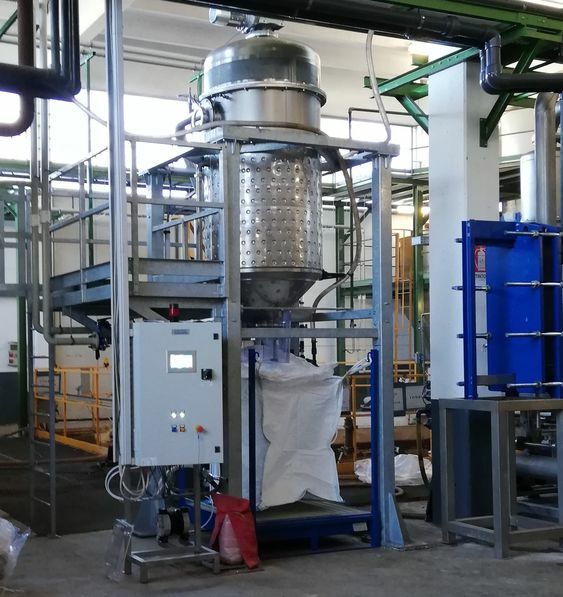
We have standard production facilities, experienced experts, and a reliable laboratory team to maintain the quality of our production results.
We have several products that we produce, including:
Brief Overview
Crude glycerin, which has a naturally sweet taste and a viscous texture ranging from dark brown to light yellow, is an unrefined form of glycerin. It is derived from natural and chemical raw materials, primarily found in vegetable oils and fats as triglycerides, and also in animal fats. As a by-product of biodiesel production and the oleochemical industry, crude glycerin is obtained during these processes. The increasing emphasis on renewable energy sources has led to an increase in biodiesel production, which has resulted in an increase in crude glycerin production. Typical specifications for crude glycerin include approximately 80% glycerin, with the remainder consisting of impurities such as methanol, soap, catalysts, salts, non-glycerin organic matter, and water.
Manufacturing Process Degumming
Degumming is an important step in vegetable oil refining, which involves the precise removal of phosphatides through centrifugation. Water is introduced to facilitate the precipitation of phosphatides dissolved in the oil, converting them into a heavier mass due to the absorbed water content. Subsequent centrifugation allows these phosphatides to migrate to the aqueous phase, effectively removing impurities from the oil. This important process not only improves the quality of the vegetable oil but also extends its shelf life.
Deacidification
Deacidification comes next in the spotlight, using a series of solvent extraction techniques on vegetable oil. The initial step involves stirring the vegetable oil in methanol, which causes the free fatty acids to preferentially dissolve in methanol, thereby reducing their concentration in the oil. Since these free fatty acids are responsible for the oxidation of the oil and its unpleasant odor, their removal is essential to increase shelf life and facilitate further refining. Transesterification/saponification The deacidified oil then undergoes a transformative step known as transesterification/saponification. This complex process, carried out under high temperature and pressure with the help of water, breaks down the triglyceride chains into glycerol/glycerin and fatty acids. In particular, this step makes the glycerin easy to extract, thus preparing it for further refining.
We produce with 3 type Crude Glycerine :
1.Crude Glycerine 50% min
2.Crude Glycerine 60% min
3. Crude Glycerine 80% min

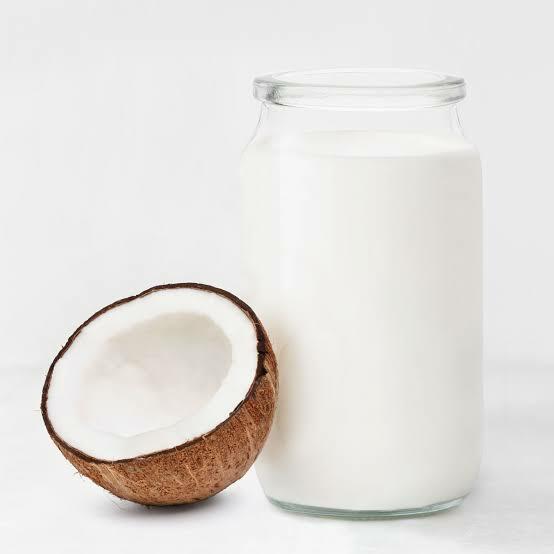


Brief Overview
Crude glycerin, which has a naturally sweet taste and a viscous texture ranging from dark brown to light yellow, is an unrefined form of glycerin. It is derived from natural and chemical raw materials, primarily found in vegetable oils and fats as triglycerides, and also in animal fats. As a by-product of biodiesel production and the oleochemical industry, crude glycerin is obtained during these processes. The increasing emphasis on renewable energy sources has led to an increase in biodiesel production, which has resulted in an increase in crude glycerin production. Typical specifications for crude glycerin include approximately 80% glycerin, with the remainder consisting of impurities such as methanol, soap, catalysts, salts, non-glycerin organic matter, and water.
Manufacturing Process Degumming
Degumming is an important step in vegetable oil refining, which involves the precise removal of phosphatides through centrifugation. Water is introduced to facilitate the precipitation of phosphatides dissolved in the oil, converting them into a heavier mass due to the absorbed water content. Subsequent centrifugation allows these phosphatides to migrate to the aqueous phase, effectively removing impurities from the oil. This important process not only improves the quality of the vegetable oil but also extends its shelf life.
Deacidification
Deacidification comes next in the spotlight, using a series of solvent extraction techniques on vegetable oil. The initial step involves stirring the vegetable oil in methanol, which causes the free fatty acids to preferentially dissolve in methanol, thereby reducing their concentration in the oil. Since these free fatty acids are responsible for the oxidation of the oil and its unpleasant odor, their removal is essential to increase shelf life and facilitate further refining. Transesterification/saponification The deacidified oil then undergoes a transformative step known as transesterification/saponification. This complex process, carried out under high temperature and pressure with the help of water, breaks down the triglyceride chains into glycerol/glycerin and fatty acids. In particular, this step makes the glycerin easy to extract, thus preparing it for further refining.
We produce with 3 type Crude Glycerine :
1.Crude Glycerine 50% min
2.Crude Glycerine 60% min
3. Crude Glycerine 80% min


Coconut Fatty Acid Distillate is the by-product collected from coconut oil refineries which takes the form of reddish brown liquid at room temperature. Our CFAD contains a high percentage of lauric fatty acid, making it perfect to be used in soap manufacturing, cosmetics and biodiesel industries.
| Odor | Strong fatty acid smell |
|---|---|
| Color | ≤ 1.0 RED |
| Iodine Value | ≤ 15.0 |
| Moisture | ≤ 2.0% |
| FFA as Lauric | ≥ 70.0% |
| Saponification Value | 245 – 265 |

what is dessicated coconut. Dessicated coconut (DC) or coconut flour is the result of processing coconut that is finely ground by chopping or grating without adding other ingredients and then dried hygienically.
The nutritional value of DC is quite high and resembles coconut in general. Starting from the fat content, protein fiber, vitamins and minerals can also be obtained from DC. The nutritional content is certainly good for the body to meet daily nutritional needs.
In making DC, the thing to do is peel the round coconut and clean it from the brown skin to get the meat. The white coconut meat is then cleaned and washed with clean water. After washing, the coconut meat is checked to maintain its quality.
The clean coconut meat is grated in the first stage with a grinder machine and pressed with a press machine to get coconut milk and pulp. The pulp from the press is used as the raw material for dried coconut. The pulp is then passed through a screw equipped with hot steam which functions to kill pathogenic microbes.
After that, the pulp is dried in a drying machine and continued with final grinding to produce dry grated coconut. Dry grated coconut called desiccated coconut (DC) is sieved with a machine consisting of several layers of sieves of different sizes to get the DC particle size according to customer demand.
After the sieving process is complete, the dry grated coconut is packaged and will be passed through a metal detector before being released to the storage warehouse.
Standard packing in plain 25kg multi ply kraft paper bag with inner plastic liner.
We can also pack in 7kg-10kg, and 50kg.
Our bags is plain and we offer free customized packaging with your own marking.
Quantities loaded into 1x40HC = 26MT and 1x20fcl = 13mt
| NUTRITION Portion 12g (X soup spoons) | ||
| % VD (*) | ||
| Energy value | 83 kcal = 332 kJ | – |
| Carbohydrate | 3 g | 1 |
| Proteins | 1 g | 2 |
| Total fat | 8 g | 13 |
| Saturated fat | 7 g | 39 |
| Trans fat | 0 g | 0 |
| Dietary fiber | 2 g | 0 |
| Sodium | 50 mg | 2 |
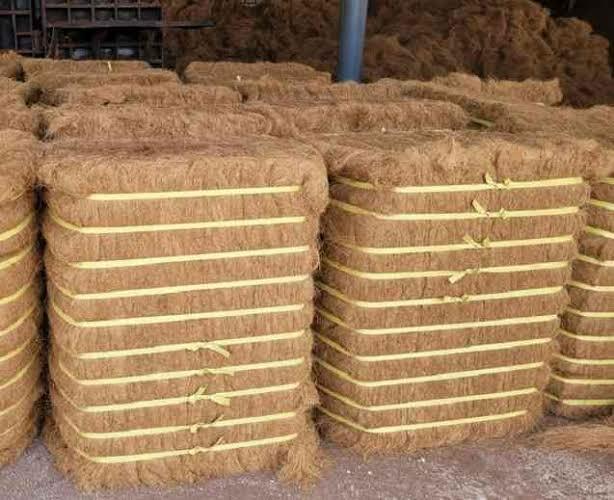
Coco fibre or coconut coir fiber is a material for the manufacture of products such as mattresses, brushes, ropes and filters.
Since the early 90’s, Coco fibre has been used as a soil mix in the planting process. The purpose of mixing with Cocofiber is to enhance the capillary effect on the growing growth medium.
Coco fibre has characteristics such as low electrical conduction or low conductivity, and the material is not easily damaged or decomposed, besides that cocofiber should not be too thin, because it is less effective and will be easily damaged and wasted.
Coco fibre or coconut coir fiber is a material for the manufacture of products such as mattresses, brushes, ropes and filters.
Moisture 14-18% Length of
fiber 8-25 cm weight 90-105
kg/bale 40ft HC can load 180 bale
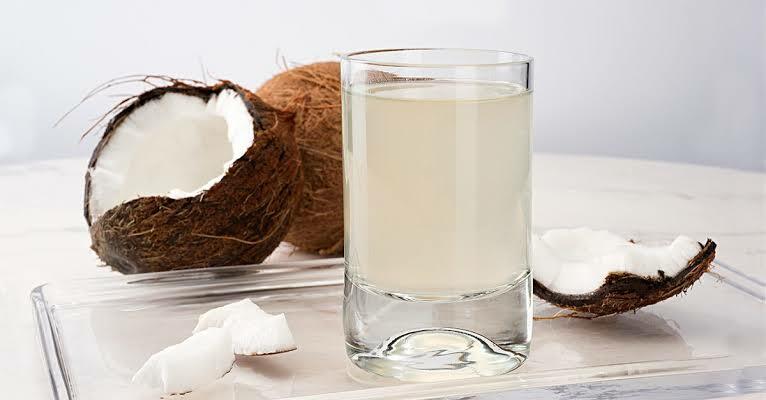
Coconut water concentrate is made of the evaporation of 100% natural, fresh coconut water. This product can be used as a sweetener for several types of beverages. It is also good for table coconut water drinks, for parties, family outings, catering, restaurants, and hotel welcome drinks, which is much more economical than buying coconut water in a can or tetra pack. It also has many health benefits, such as lowered blood pressure, weight loss, increased athletic performance, boosted energy, lowered cholesterol, etc.
Application :
Commonly used in bakeries as a topping for cakes and filling for buns, and
decoration for cakes.
Specification :
Fat content : 40 +/- 5 With SO2
packing : 20 - 25 kg
Lorem ipsum dolor sit amet, consectetuer adipiscing elit. Aenean commodo ligula eget dolor. :
:
We are the right choice for your needs
Lorem ipsum dolor sit amet, consetetur sadipscing elitr, sed diam nonumy eirmod tempor invidunt ut labore et dolore magna aliquyam erat, sed diam voluptua.

Our Experts are Ready to Support Creating a Good Production Climate
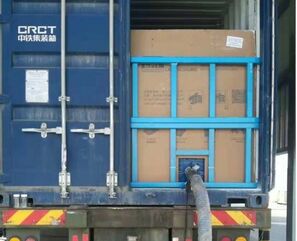
We are ready to send your ordered products on time.
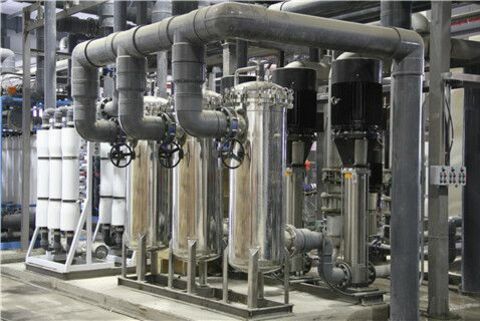
Our production facilities are very supportive
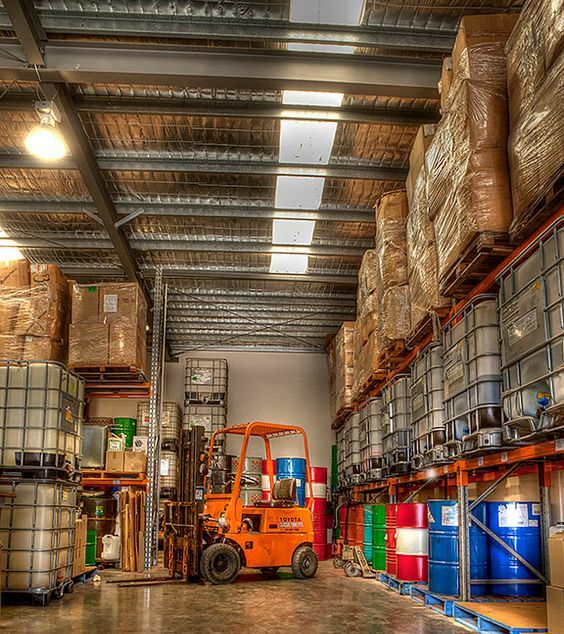

We are ready and always open to work together to serve all our clients from all over the world.
Per year
SOURCES
CUstomers
ALL OVER THE WORLD